Working-from-home tax relief without the myths
Extra Income Tax relief may be available if you have to work from home — not merely because you prefer the spare room.
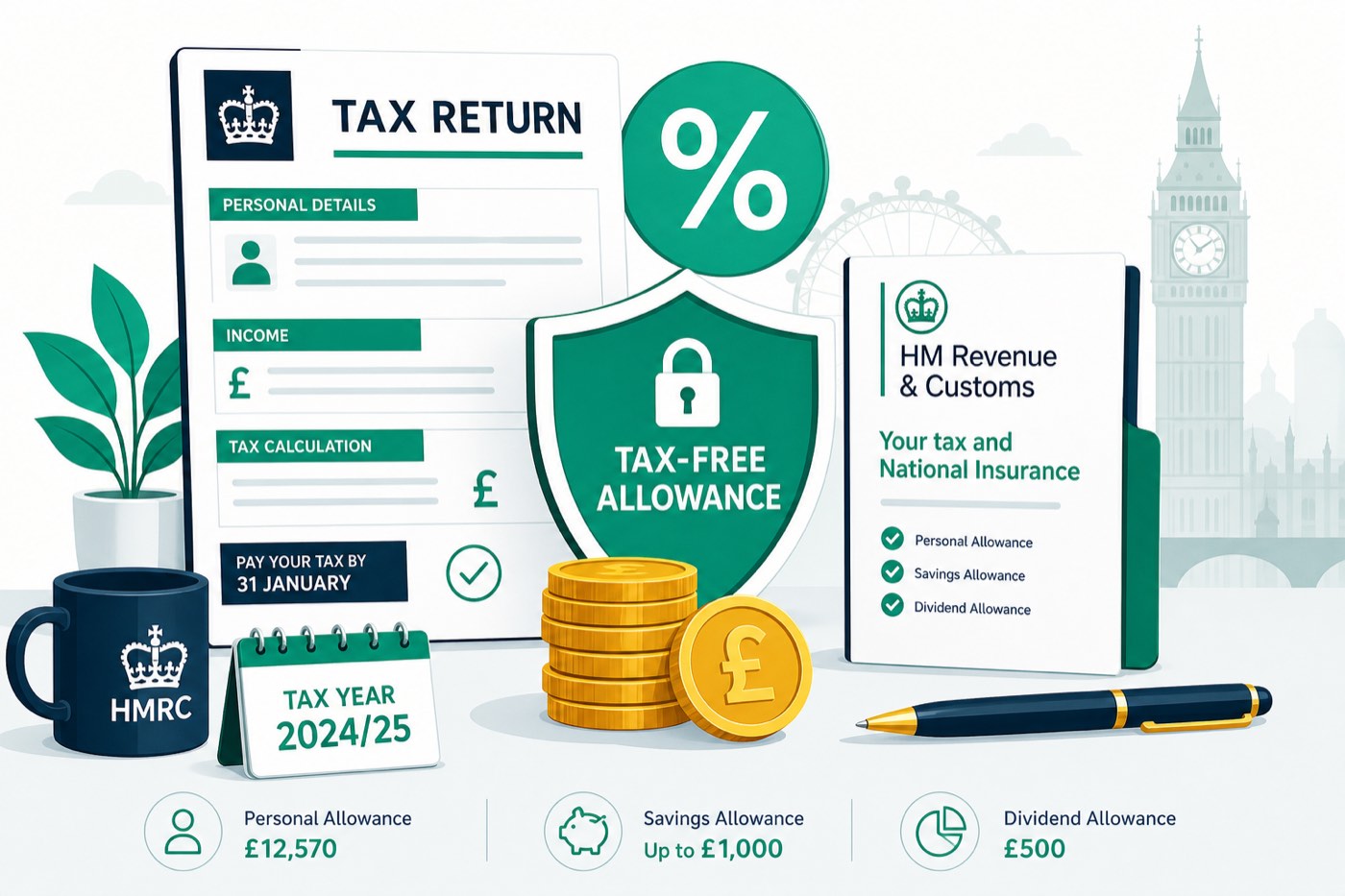
If your employer requires you to work from home for all or part of the week, you may be able to claim Income Tax relief on extra household costs. HMRC offers a simplified flat-rate route for many employees, or you can claim actual additional costs with evidence. Choosing hybrid work for comfort usually does not qualify.
Who this guide is for
Employees required to work from home who incur additional household costs and want to test current HMRC eligibility. It distinguishes employer reimbursement from tax relief.
Not for: People who simply choose hybrid working, or self-employed workers claiming business expenses under different rules.
Eligibility in practice
You generally need to show that home working is necessary under your contract or employer instructions — for example no office available on certain days, or a formal home-working arrangement. Occasional voluntary WFH rarely qualifies.
Equipment your employer must provide is a different topic from household bills. Do not double-claim costs your firm already reimburses tax-free.
Flat rate vs actual costs
The flat-rate claim is designed to be simple: a weekly amount set by HMRC for eligible home working, claimed through your personal tax account. Actual-cost claims need records showing additional gas, electricity or metered use beyond normal living — harder, but sometimes larger.
You cannot usually claim mortgage interest, rent, or council tax via the simple employee WFH relief routes people expect. Read GOV.UK carefully before estimating a windfall.
How to claim
Most employees claim online via HMRC for the current and eligible prior years. Relief may appear as a tax-code adjustment (more net pay each month) or a refund. Keep employer letters that prove required home working.
Self-employed people use different expense rules through Self Assessment — this article focuses on employees. Do not mix the regimes.
Stacking with other 2026/27 realities
WFH relief does not increase your £12,570 Personal Allowance directly; it reduces taxable income or generates a code change. Separately, check you are not missing Marriage Allowance (~£252) or overpaying via a wrong tax code while you sort household claims.
Eligibility before expense maths
Working from home does not automatically create tax relief. Under the narrowed rules, an employee generally needs to be required to work at home—for example because suitable employer premises are unavailable or the job requires living far away—not merely prefer it on some days. A contractual home base helps evidence but is not conclusive if office attendance is realistically available by choice.
There are two routes. An employer can pay an allowable homeworking amount under current rules, or the employee can claim tax relief on qualifying additional costs not reimbursed. Relief is not repayment of the expense: a basic-rate taxpayer claiming £6 a week would save 20% of that amount, £1.20 a week, not receive £6.
| Illustration | Allowable amount used | Approximate tax reduction |
|---|---|---|
| Basic rate | £6/week × 52 = £312 | £62.40 |
| Higher rate | £312 | £124.80 |
| Employer pays £6/week | £312 received | No duplicate employee claim |
Actual-cost claims require records and a defensible apportionment of extra gas, electricity, metered water or business calls. Mortgage interest, rent, council tax and broadband that would have been paid unchanged are not normally additional employee costs. If a new broadband connection is required solely for work, treatment can differ; retain contracts and employer requirements.
- Write down why homeworking is required and keep the contract or employer message.
- Check whether the employer already reimburses anything.
- Compare the simple weekly amount with evidenced additional costs.
- Claim only your unreimbursed qualifying share and keep records for HMRC.
- Update the claim when the requirement ends; do not let a tax-code adjustment roll on blindly.
Second example: Maya must work at home for 18 weeks while her employer's premises are closed. She receives no reimbursement. Using £6 a week gives an expense amount of £108; at 20%, the tax reduction is about £21.60. Claiming £312 for the full year would overstate the required period. By contrast, if she voluntarily works Fridays at home after the office reopens, those weeks may not qualify.
Historic pandemic easements should not be copied into a 2026/27 claim. Check the current eligibility questions and method at GOV.UK. Beware refund agents taking a percentage or assigning repayment rights; a straightforward claim can usually be made directly. This is general information, not tax advice.
Worked example: flat-rate claim
Imogen’s employer requires two home days weekly and provides a letter confirming no desk on those days. Imogen claims the HMRC flat rate for eligible weeks across 2025/26 and 2026/27 through the personal tax account. HMRC updates her code so she pays slightly less tax each month — worth a few pounds a week, not a transformed budget, but genuine money backed by rules rather than myths about claiming the whole broadband bill.
Step-by-step checklist
- Confirm home working is required, not just optional
- Get written confirmation from your employer if possible
- Check whether expenses are already reimbursed
- Choose flat-rate or actual-cost with evidence
- Claim through HMRC personal tax account
- Keep records for prior-year claims you submit
- Watch your tax code after the claim is accepted
Common mistakes
- Claiming because you prefer working from home one day a week
- Trying to deduct full household broadband and rent as an employee
- Claiming costs your employer already pays tax-free
- Mixing self-employed expense rules with PAYE claims
When to get regulated help
Follow the working-from-home expenses pages on GOV.UK. For a plain-English overview of employee expenses, use MoneyHelper.
Frequently asked questions
Can hybrid workers claim?
Possibly on the days home working is required and other tests are met — optional hybrid days usually do not count.
Is there still a pandemic WFH claim?
Special Covid-era messaging has faded; use current GOV.UK eligibility, not old social-media threads.
Will I get a cheque?
Often you get a tax-code change or a refund into your bank — HMRC chooses the collection method.
Can landlords claim WFH differently?
Property businesses use different expense frameworks. This guide is about employees’ PAYE relief.