Pay yourself first — automate savings on payday
Move money to savings before lifestyle spending can claim it. Small, automatic transfers beat heroic willpower.
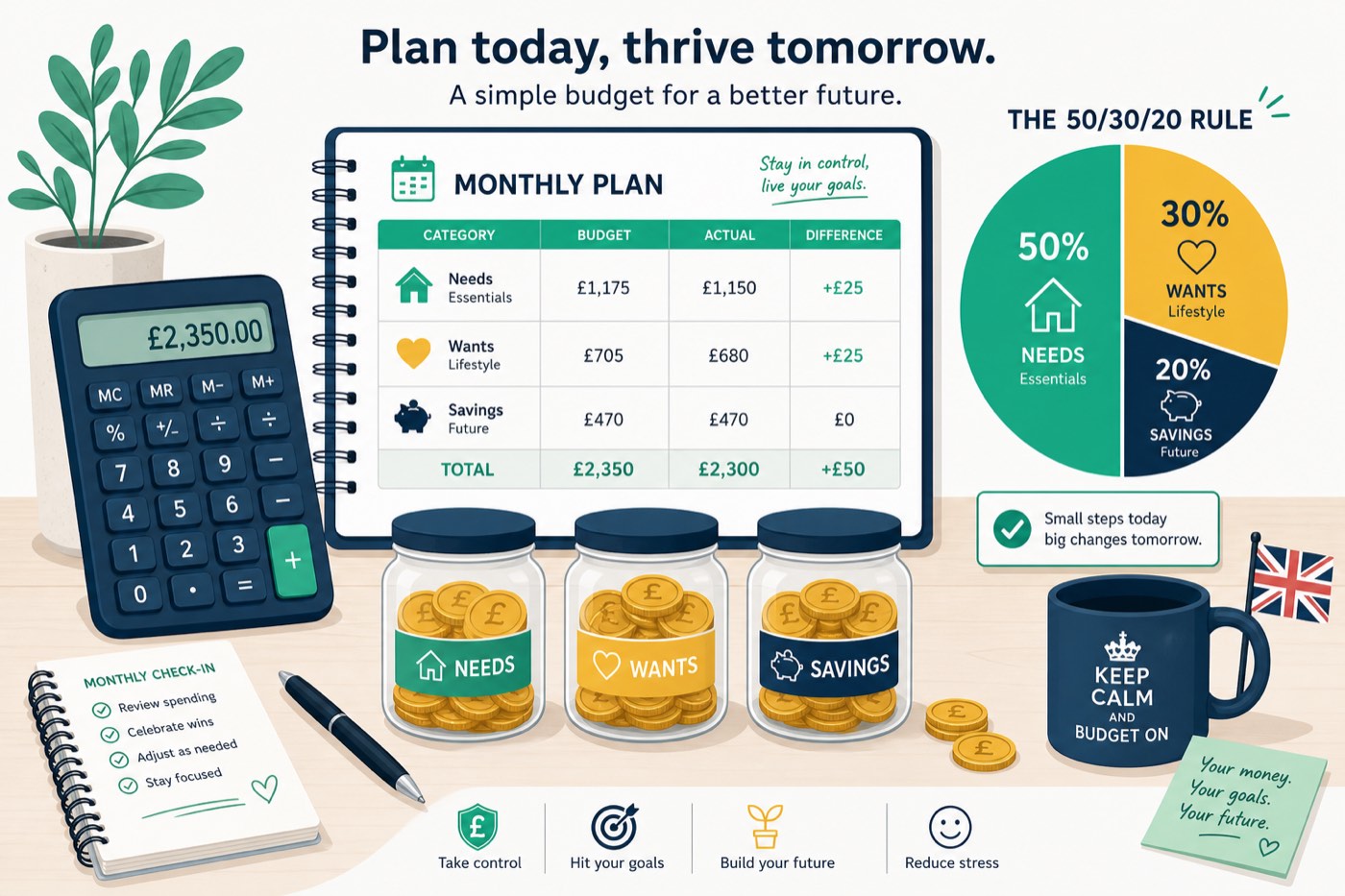
Pay yourself first means treating savings like a non-negotiable bill: the money leaves your current account on payday, before streaming, takeaways or “I’ll save what’s left”. In Britain that usually means a standing order into an easy-access saver or ISA the morning after salary lands.
Who this guide is for
UK workers with reasonably predictable income who want saving to happen before discretionary spending expands. The method also adapts to variable pay when a minimum transfer is affordable.
Not for: Anyone missing priority bills or borrowing for groceries; first stabilise essential spending and seek free debt guidance.
Why leftovers never become savings
Lifestyle spend expands to fill the account. Without a pre-committed transfer, end-of-month “surplus” is wishful thinking — especially with frictionless contactless payments. Automation removes the daily decision.
Behavioural research and MoneyHelper-style guidance keep returning to the same idea: make the good choice the default. Paying yourself first is that default for cash flow.
It also clarifies priorities. If the transfer bounces, you learn immediately that needs plus wants exceed income — useful pain, better than discovering it when the rent Direct Debit fails.
How to set it up with UK bank tools
On payday (or the next working day), create a standing order to a separate savings account or cash ISA. Start with an amount you can survive even in an expensive month — many people begin at 5–10% of take-home and climb after each pay rise.
If you have multiple goals, split the standing order: emergency fund first until you hit your target, then redirect into an ISA to use the £20,000 2026/27 allowance, Help to Save, or a Lifetime ISA if eligible. Keep the emergency pot easy-access; do not lock money you might need in a week.
Self-employed? Pay yourself a fixed “salary” on the same date each month from the business account, then run personal pay-yourself-first from that personal payday.
Balance debt, bills and saving
Minimum debt payments and rent still come first legally and practically. “Pay yourself first” never means bouncing essential bills. If high-interest debt is growing, automate an extra card payment as your “first” transfer while keeping a small emergency buffer (£500–£1,000) so you stop borrowing for surprises.
Once costly debt is stable, rebuild the full emergency fund, then resume longer-term ISA saving. The order matters more than slogans.
Grow the percentage without feeling the squeeze
Use raises, cancelled subscriptions and finished finance agreements as triggers. When a car finance ends, keep the Direct Debit amount but point it at savings for three months before you “earn” the lifestyle upgrade.
At National Living Wage (£12.71 for 21+), even £10–£25 automated on payday builds the muscle. Consistency beats size while income is tight.
Choose what gets paid first
“Pay yourself first” works because the transfer occurs before day-to-day decisions compete for the money. It does not mean saving while rent arrears, council tax or high-cost borrowing worsens. Define the first payment as the most valuable next use of surplus: a starter buffer, extra repayment on expensive debt, or long-term saving after short-term risks are covered.
Use a transfer one working day after expected pay rather than the same morning; payroll delays and bank holidays can otherwise trigger an overdraft. Keep emergency cash accessible and separate from the account used for groceries. If an employer offers extra pension matching, payroll contribution can be an especially effective “first” payment, but pension money is normally locked away and cannot replace emergency savings.
| Stage | First-payment destination | Practical trigger |
|---|---|---|
| Fragile | Easy-access starter buffer | One small shock currently needs credit |
| Expensive debt | Highest-cost balance | Buffer exists; APR is materially above savings return |
| Stable | Emergency fund / matched pension | Bills current and debt controlled |
| Long term | ISA or additional pension | Near-term goals already funded |
Consider Beth, paid £2,280 on the final weekday. She starts with £75 to an easy-access account and £125 extra to a 24.9% card. Three months later her buffer reaches £225. A £410 dental bill uses it, leaving only £185 to borrow rather than £410. After rebuilding to £500 and clearing the card, she redirects the £200: £120 builds three months of essential costs and £80 goes to a Stocks & Shares ISA for a goal more than five years away. The amount stayed constant; the job changed.
- Choose one measurable target and target date.
- Set a floor transfer affordable in a lean month.
- Add a percentage of overtime, bonuses or freelance receipts manually.
- Increase the floor after a pay rise, but test it for two months first.
- Review account interest, access restrictions and deposit protection rather than leaving the pot untouched for years.
For variable income, save a percentage only after reserving tax and essential business costs. Someone receiving £900, £1,500 and £1,100 over three months might automate £40, then add 15% of income above £1,000 in stronger months. This avoids reversing transfers repeatedly.
The 2026/27 ISA allowance is £20,000, but an allowance does not make investing suitable or make cash inaccessible without consequence. Product choice, investment risk and tax position depend on circumstances. This is general information, not a personal recommendation.
Worked example: £150 on payday
Jordan’s net pay is £1,900 on the last Friday of the month. A standing order moves £150 on Saturday morning: £100 to an easy-access emergency pot and £50 to a cash ISA. After six months the emergency pot holds £600 and the ISA £300. When a boiler service costs £180, Jordan uses the pot — then temporarily lifts the standing order to £200 until it is refilled, without touching the ISA.
Step-by-step checklist
- Open a savings account or cash ISA separate from everyday spending
- Pick a payday+1 standing order date that never lands before salary
- Start with a survivable amount (even £20–£50)
- Prioritise emergency cash before locking money away
- Name the account after the goal so you hesitate to raid it
- Increase the transfer after pay rises or when a bill ends
- Check once a month that the order still succeeded
Common mistakes
- Saving into the same account you spend from, so the money disappears
- Automating investments before any emergency cash exists
- Setting a heroic percentage that bounces and gets cancelled forever
- Raiding savings for wants because there is no weekly spending number
When to get regulated help
Compare saving approaches and priority orders with MoneyHelper. Confirm ISA rules and allowances on GOV.UK before locking money into products with withdrawal penalties.
Frequently asked questions
Should I save or clear debt first?
Keep a small buffer, smash very high-interest debt with automated extra payments, then build a fuller emergency fund and ISA contributions.
Is a round-up app the same as paying yourself first?
Round-ups help, but a fixed payday standing order is more reliable because it does not depend on how often you tap your card.
What if my pay date moves?
Use a relative standing order if your bank offers one, or set a mid-month date after both salary and benefits usually arrive.
Can I pay myself first into a Lifetime ISA?
Yes if you qualify, but keep separate easy-access cash for emergencies — LISA early withdrawals can lose the bonus and incur a penalty.