Build an emergency fund that actually covers life
Cash for job loss, repairs and shocks — sized to your bills, held somewhere boring and accessible.
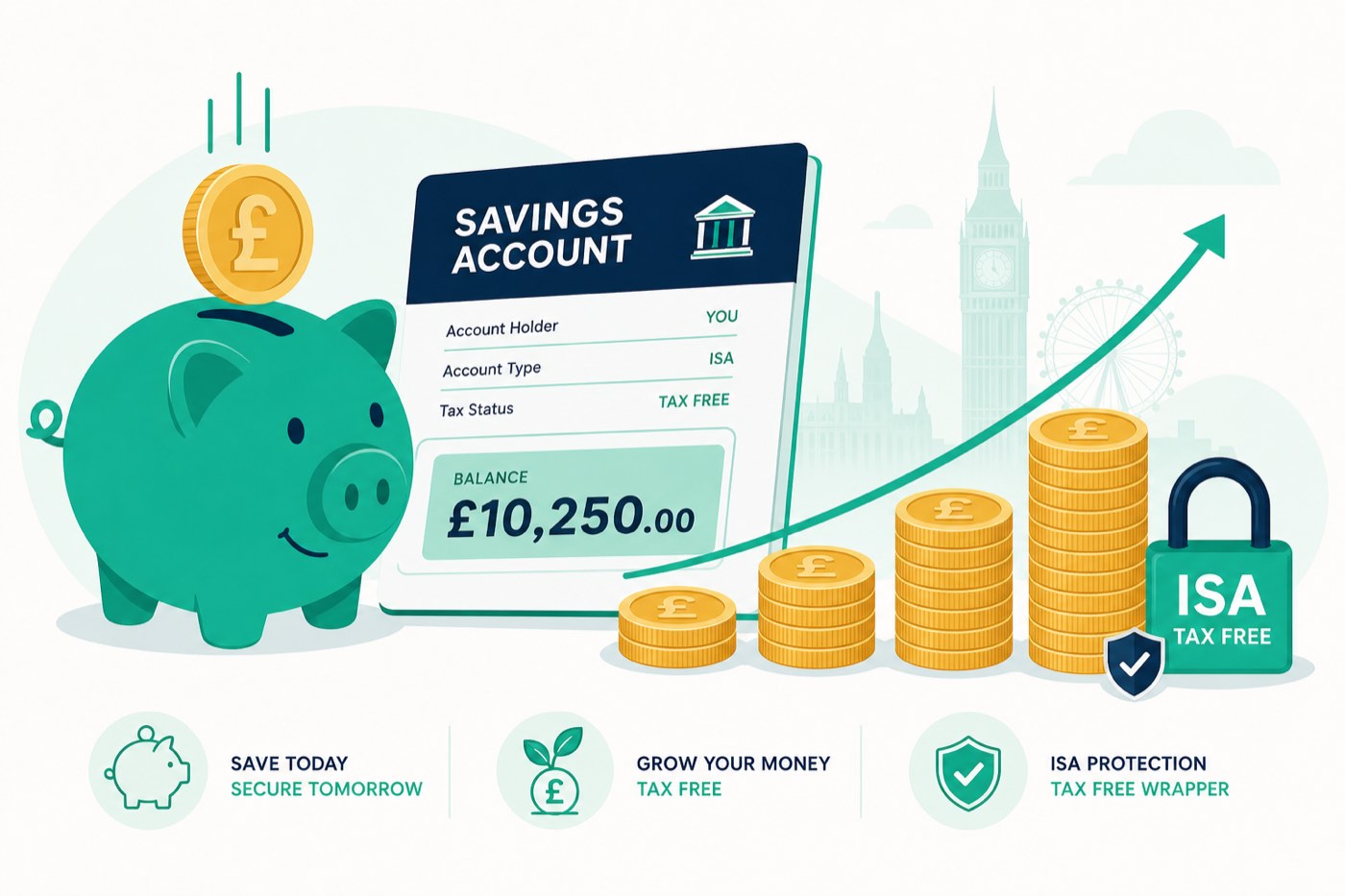
An emergency fund is cash you can reach in a day or two when something expensive and unplanned happens. It is the buffer that stops a broken boiler becoming 20% APR debt. Aim for enough to cover essential outgoings — not your ideal lifestyle — for typically three to six months.
Who this guide is for
UK households building cash protection against loss of income, urgent travel, essential repairs or an insurance excess. It works for both single and variable-income households.
Not for: People already unable to meet priority payments; a savings target should not delay contacting lenders, councils, suppliers or free debt advisers.
How much is enough?
Add up rent or mortgage, council tax, utilities, food, insurance, transport and minimum debt payments. Multiply by three for a starter target; six if your income is irregular, you are self-employed, or one household earner covers most bills.
If that number feels impossible, begin with a £1,000 starter buffer while you attack costly debt, then climb. National Living Wage earners (£12.71 for 21+) should treat any automated £20–£50 as progress, not failure.
Where to keep it
Easy-access savings or a flexible cash ISA beat current accounts (too spendable) and stocks (too volatile). Compare rates, but prioritise access without penalties. Notice accounts that limit withdrawals.
Interest may be taxable if you exceed the Personal Savings Allowance (£1,000 / £500). Large funds often sit partly in a cash ISA under the £20,000 allowance. Keep the money labelled so you do not “borrow” it for sales or holidays — those need sinking funds.
How to build it without a windfall
Automate a payday standing order. Sweep unexpected income (tax rebates, gifts, overtime) into the pot. Cut one recurring want for six months and redirect the Direct Debit. Sell unused items once, not endlessly.
While building, avoid investing money you may need within three years. The emergency fund’s job is stability; growth is a secondary nice-to-have via interest.
When you use it — and how to refill
Genuine uses: redundancy runway, essential repairs, urgent family travel, emergency dental work. Not: festivals, new phones, or underfunded Christmas.
After a withdrawal, pause extra investing and temporarily raise the standing order until the target returns. That discipline keeps the fund real rather than a one-time myth.
Set a fund from real risks
An emergency-fund target should come from essential monthly costs and the risks you actually carry, not a multiple of salary. Include housing, council tax, basic food, utilities, essential travel, insurance, medicines, minimum debt payments and unavoidable care. Exclude restaurant spending, voluntary overpayments and contributions that could be paused. A renter with secure employment and strong sick pay may need less than a sole trader with a mortgage and dependants.
| Household feature | Reasonable planning range | Why |
|---|---|---|
| Two stable incomes, low fixed costs | 2–3 months essentials | Income risks are partly diversified |
| One income or dependants | 3–6 months | Fewer fallback options |
| Variable/self-employed income | 6–9 months | Longer gaps and tax timing |
| Known near-term expense | Separate sinking fund | Predictable cost is not an emergency |
Second example: Lewis and Ana spend £3,100 in an ordinary month, but only £2,240 is essential. A four-month target is therefore £8,960, not £12,400. They first build £750 to stop small shocks reaching an overdraft, then save £410 monthly. After 20 months they have £8,950. When Ana's employer improves redundancy cover, they keep the target but direct new contributions to replacing an ageing car through a separate sinking fund.
- Build a starter amount of £500–£1,000 according to likely immediate shocks.
- Clear or control expensive revolving debt while keeping that buffer intact.
- Calculate essential costs from statements, not memory.
- Choose a month range based on job security, sick pay, insurance, dependants and housing.
- Store at least one month's costs with instant access; only tier later months if access remains safe.
- Write rules for use and a plan to replenish after a withdrawal.
Use cash, not volatile investments, because the fund's job is certainty on an unknown date. Easy-access accounts and cash ISAs can be suitable; notice accounts are risky for the first layer. Check withdrawal limits and whether a “bonus” rate expires. Eligible deposits are generally protected by the FSCS within its limits per authorised banking group, not per app brand.
Do not count an unused credit-card limit as emergency savings. A lender can reduce it precisely when your income falls, and interest turns one emergency into a longer problem. Likewise, a Lifetime ISA is normally unsuitable: non-qualifying withdrawals usually face a charge.
The fund may sit within the £20,000 ISA allowance for 2026/27, but access and rate matter more than using allowance for its own sake. Benefits eligibility and means-tested support may also be affected by capital. MoneyHelper can provide general guidance. This is general information and cannot set the right target for your circumstances.
Worked example: three months of essentials
Mo and Rina’s essential monthly costs total £2,200. Their starter emergency target is 3 × £2,200 = £6,600. They already have £1,200. A £200 payday standing order fills the gap in 27 months; overtime of £1,500 one quarter shortens it by seven months. They keep the pot in a flexible cash ISA so interest stays within their wider ISA plan without touching stocks.
Step-by-step checklist
- Total essential monthly costs (not full lifestyle spend)
- Set a starter target (£1,000) and a full target (3–6 months)
- Open a separate easy-access or flexible cash ISA pot
- Automate payday transfers before discretionary spending
- Write rules for what counts as an emergency
- Refill promptly after any withdrawal
- Review the target after rent changes or a new dependant
Common mistakes
- Investing the emergency fund in shares for a higher “average” return
- Keeping it in the everyday current account
- Using it for holidays because “we’ll replace it next month”
- Waiting until debt is 100% gone before saving any buffer at all
When to get regulated help
MoneyHelper has clear guides on rainy-day savings at moneyhelper.org.uk. For ISA and tax treatment of interest, check GOV.UK.
Frequently asked questions
Is three or six months better?
Three months suits stable dual incomes; six months suits self-employment, single earners or specialist roles that take longer to replace.
Should my emergency fund be in a Lifetime ISA?
No — early withdrawals can lose bonus and incur a penalty. Keep emergencies in easy-access cash or a flexible cash ISA.
What about Help to Save?
Help to Save is excellent if you qualify, but bonuses lock to that scheme’s rules. Still keep some fully flexible cash.
Does home emergency cover replace a cash fund?
Insurance helps specific risks with claims processes and exclusions. Cash covers gaps insurance will not.
Should homeowners keep more emergency cash?
Often, because they carry repair risks a landlord would otherwise bear. A separate home-maintenance sinking fund can stop routine repairs consuming the emergency reserve.