Mortgage & property tips

Six ways to get on the ladder more easily and pay thousands less interest over the life of your mortgage.

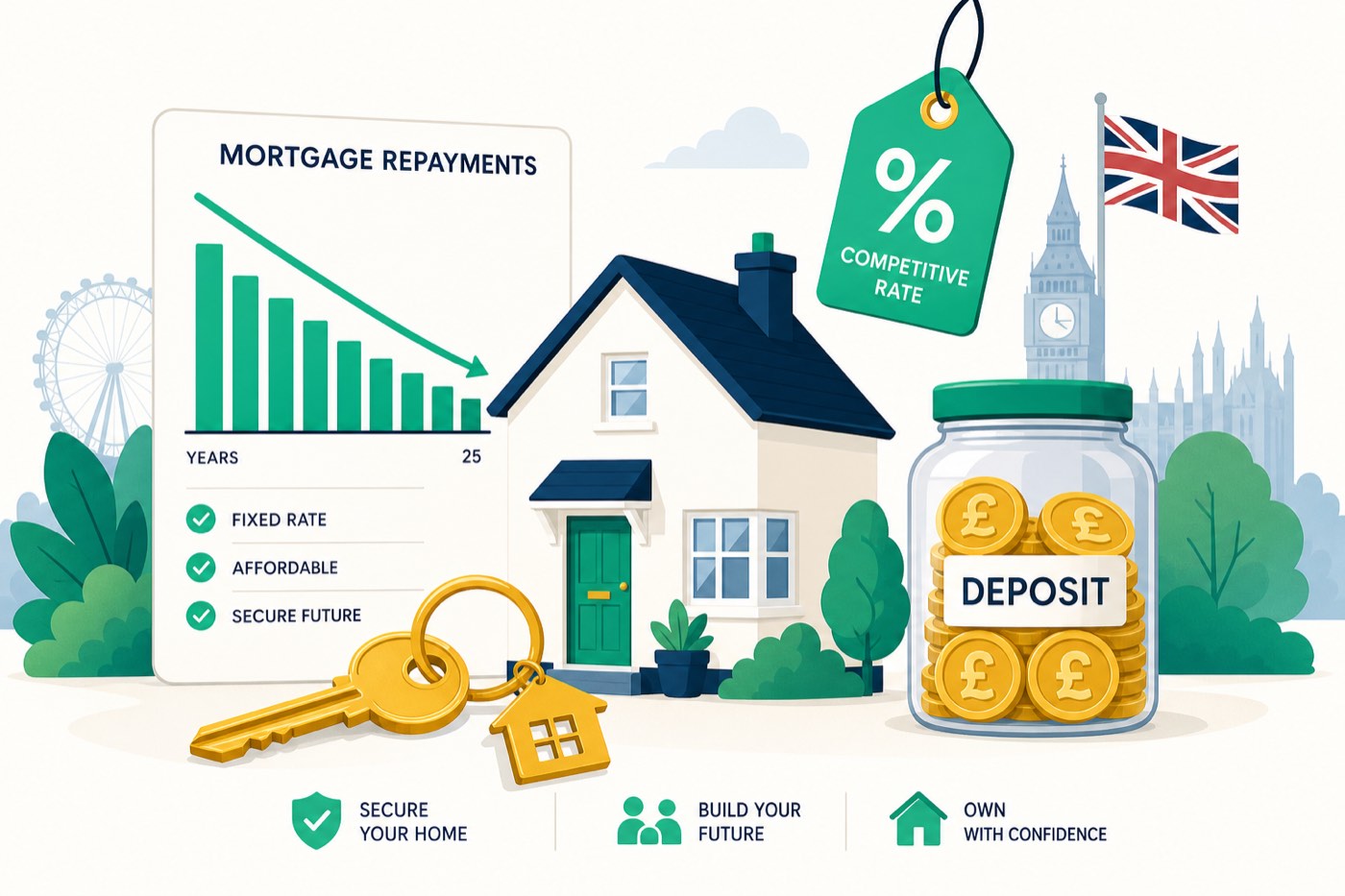
A house with keys, a deposit jar of pound coins, a falling repayment chart and a competitive-rate tag

A mortgage is the biggest financial commitment most people ever make, so small improvements have huge effects. Shaving even a fraction off your interest rate, or overpaying a little each month, can save tens of thousands over the years.

1

Save the biggest deposit you sensibly can

Lenders price mortgages by loan-to-value (LTV) — the proportion you're borrowing against the property's value. The minimum deposit is usually 5%, but rates improve at key thresholds: 90%, 85%, 80%, 75% and 60% LTV. Pushing your deposit just over one of these lines (say from 91% to 90% LTV) can drop you into a cheaper rate band and save money every month.

2

Polish your credit before you apply

Your credit profile heavily influences the rates you're offered. In the months before applying: get on the electoral roll, pay everything on time, reduce card balances, and avoid new credit applications. Avoid big financial changes (like switching jobs) right before applying if you can. See our credit score guide.

3

Choose fixed vs variable with eyes open

A fixed rate (often 2 or 5 years) keeps payments predictable — ideal for tight budgets. A tracker or variable rate can start cheaper but rises and falls with interest rates. There's no universally "right" answer: pick based on how much certainty you need and what you could cope with if rates moved.

Advertisement
4

Never drift onto the SVR — remortgage in time

When a fixed or tracker deal ends, you're moved to the lender's Standard Variable Rate (SVR), which is usually much more expensive. Start looking for a new deal around 3–6 months before your current one ends — offers can often be held that long. Remortgaging (or asking your lender for a product transfer) at the right time is one of the biggest savings a homeowner can make.

5

Overpay to slash total interest

Because mortgage interest compounds over decades, overpaying early is powerful. Most lenders let you overpay up to 10% of the balance each year penalty-free — check your terms first. Even a modest regular overpayment can knock years off the term and save thousands. Just keep an emergency fund and clear pricier debts first.

6

First-time buyer? Use the help available

If you're buying your first home, look into:

  • Lifetime ISA — a 25% government bonus on up to £4,000/year towards a first home worth up to £450,000 (see our saving guide).
  • Shared ownership — buy a share of a home and pay rent on the rest.
  • A good mortgage broker — a whole-of-market broker can find deals you can't get direct and guide first-timers through the process.

Quick recap

  • Aim for the next LTV threshold with your deposit
  • Improve your credit before applying
  • Pick fixed vs variable to suit your budget
  • Remortgage 3–6 months before your deal ends
  • Overpay (within limits) to cut total interest

Frequently asked questions

How much can I borrow?

Lenders typically offer around 4 to 4.5 times your income, subject to affordability checks on your outgoings and an interest-rate "stress test". A mortgage in principle gives you a personalised estimate.

Do I need a mortgage broker?

Not always, but a good broker can save time and money, especially if your situation is less standard (self-employed, smaller deposit, or first-time buyer). Check whether they cover the whole market and how they're paid.

What other costs should I budget for?

Beyond the deposit: valuation and survey fees, conveyancing (legal) fees, mortgage arrangement fees, Stamp Duty (where applicable), moving costs and a buffer for repairs.