First-time buyer? Use the help available
From Lifetime ISAs to shared ownership and whole-of-market brokers, first-time buyers have tools — but rules differ and change. Treat this as a map, not personal advice.
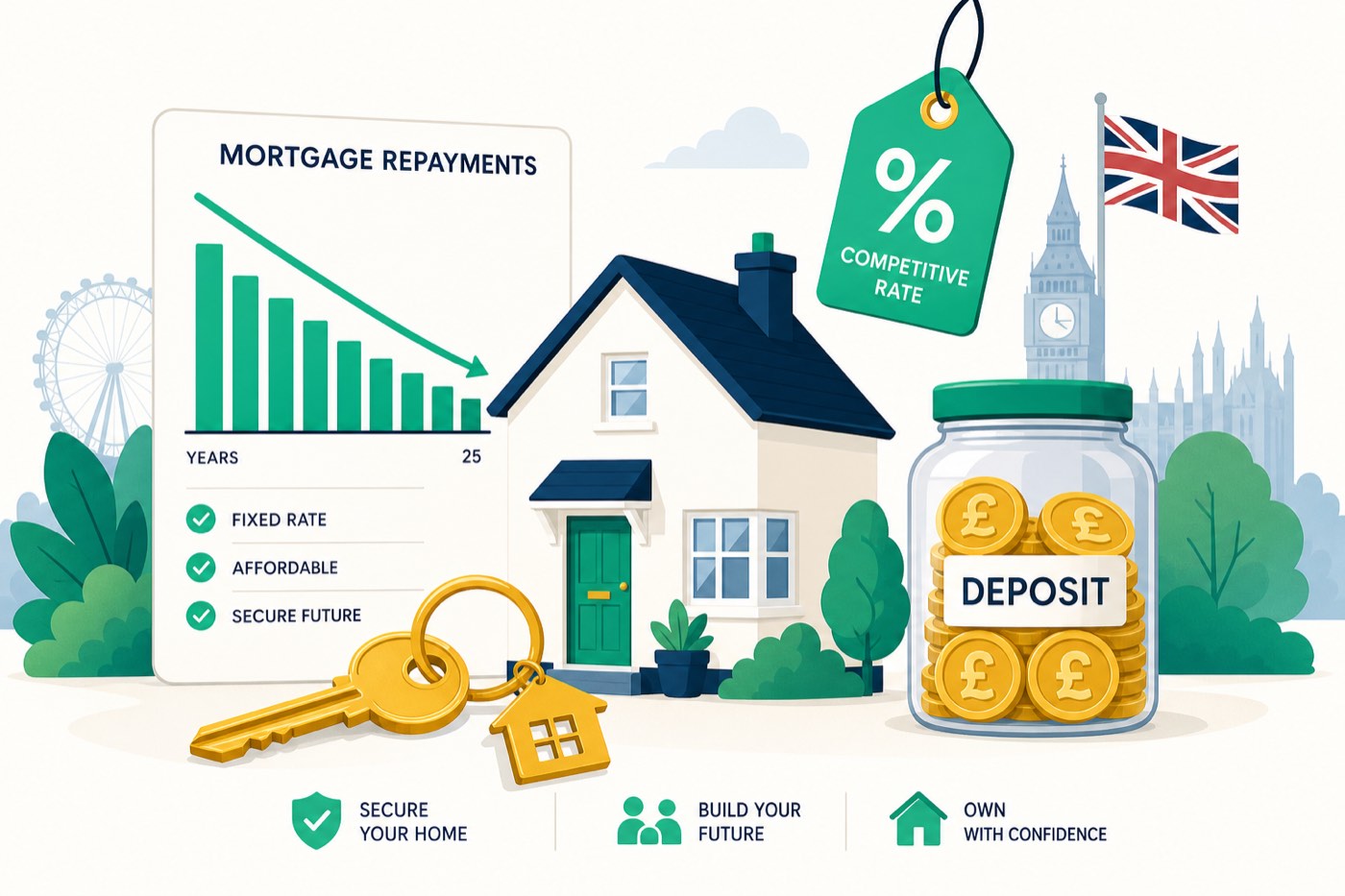
Buying a first home in the UK is as much about sequencing information as saving cash. Government-backed and market products can help eligible buyers, yet schemes vary by nation, income, property price and timing — and some historic brands (such as older Help to Buy equity loan versions) are closed to new applicants. Use official sources for eligibility, then build a boring, solid plan: deposit, credit, broker conversation, and contingency funds. Treat every scheme headline as something to verify on GOV.UK the week you act, not as evergreen advice.
Who this guide is for
UK first-time buyers comparing genuine government schemes, Lifetime ISAs and shared-ownership routes in 2026. It emphasises location and eligibility differences.
Not for: Anyone expecting one nationwide Help to Buy scheme or needing a recommendation on shared ownership, mortgage or property choice.
Lifetime ISA (LISA) for first homes
A Lifetime ISA can provide a 25% government bonus on contributions up to £4,000 a year for eligible adults saving toward a first home (property price caps apply — commonly discussed up to £450,000) or toward later life. Withdrawal rules are strict: using a LISA for non-allowed purposes can mean losing the bonus and paying a penalty.
LISAs also use part of your overall ISA allowance. Read current rules on GOV.UK Lifetime ISA and our deeper guide on Lifetime ISAs before opening one mid-purchase.
Shared ownership and other routes
Shared ownership lets you buy a share of a home and pay rent on the remainder, with options to buy more shares later (“staircasing”) subject to rules. It can lower the deposit needed, but rent, service charges and resale rules need clear eyes. Eligibility and stock availability vary.
Other local or national schemes appear and close over time. Always verify what is open on GOV.UK or your regional housing pages rather than relying on old news articles. MoneyHelper summarises buying routes: buying a home.
Scotland, Wales and Northern Ireland can have different property taxes and assistance schemes from England. If you are moving across a border, do not assume Stamp Duty Land Tax rules or English scheme branding apply unchanged — check the relevant government site for where the property sits.
Deposit boost from family, joint applications with different credit profiles, and using a guarantor mortgage are additional paths some first-time buyers explore. Each adds legal and relationship complexity; none should be entered on a handshake alone. Regulated advice and clear written terms protect everyone involved.
Brokers, credit and expectations
A good whole-of-market mortgage broker can surface deals you will not see on a high-street comparison alone and guide first-timers through paperwork. Ask how they are paid and whether they cover the whole market.
Before you apply: get on the electoral roll, check your credit reports, and avoid new credit spikes. Budget for surveys, legal fees and moving — not only the deposit.
Compare schemes on total ownership cost
“First-time buyer help” is not one UK-wide package. England, Scotland, Wales and Northern Ireland operate different programmes, eligibility windows and property rules. Some widely remembered schemes have closed to new applicants, while shared ownership and local affordable-home initiatives continue in varying forms. Always start with the official page for the country where the property sits.
| Route | Potential benefit | Main constraint |
|---|---|---|
| Lifetime ISA | 25% bonus, up to £1,000/year | £4,000 contribution, £450,000 property cap, access rules |
| Shared ownership | Buy a share, rent the rest | Rent, service charge and resale terms |
| First Homes (England) | Discount on eligible homes | Local criteria, availability and resale discount |
| Mortgage Guarantee | Supports eligible high-LTV lending | Does not guarantee borrower approval |
Second example: Ava considers 40% of a £300,000 shared-ownership flat, requiring a mortgage on £120,000. She must budget not only mortgage and deposit but rent on the unowned 60%, £210 monthly service charge, possible estate charge, insurance arrangements and future staircasing fees. Comparing only the £120,000 share with a £300,000 open-market mortgage would understate ongoing cost and complexity.
- Confirm the legal first-time-buyer definition for the specific scheme; previous ownership abroad can count.
- Check country, local-authority, income and property-price restrictions.
- Build an all-in monthly figure including rent, service charges and ground-related charges.
- Read resale, subletting, staircasing and nomination clauses with a conveyancer experienced in the scheme.
- Compare with an ordinary 5% or 10% deposit mortgage and a longer saving period.
- Keep cash for fees and emergencies after completion.
For a LISA, contributions up to £4,000 can receive a 25% bonus, but the account generally must have been open at least 12 months and funds pass through the conveyancer for a qualifying purchase. Two eligible buyers can use separate LISAs. A £450,001 property can make the withdrawal non-qualifying even though it is only £1 above the cap.
Stamp-tax first-time-buyer relief is also country-specific and subject to price limits and joint-buyer history. If one joint purchaser has owned before, relief may be lost even when the other has not. Use an official calculator and legal advice, not an estate agent's estimate.
Check current routes through GOV.UK and devolved-government housing sites. Availability and mortgage criteria change. This is general information, not mortgage or legal advice.
Worked UK example: LISA bonus toward a deposit
Amelia and Noah each contribute £4,000 to LISAs in a tax year and receive £1,000 in bonuses each (£2,000 combined), subject to eligibility. Toward a first home within the scheme rules, that bonus is meaningful deposit help they would not get in an ordinary savings account.
They still model shared ownership as a Plan B if prices in their city outrun a full deposit, and they book a broker chat six months before they intend to offer — not the week they fall in love with a listing. They double-check GOV.UK for any scheme changes rather than trusting a 2022 blog post about Help to Buy. Their solicitor later uses the LISA provider’s conveyancer process so the bonus is available at completion without last-minute surprises.
Step-by-step checklist
- Confirm first-time buyer status and any scheme eligibility on GOV.UK.
- Decide whether a LISA fits your timeline and property price cap.
- Research shared ownership only with current local stock and fee illustrations.
- Improve credit and gather employment documents early.
- Speak to an FCA-regulated whole-of-market broker when you are 3–6 months from buying.
- Budget for fees beyond the deposit.
- Ignore outdated scheme marketing; verify what is open now.
Common mistakes
- Withdrawing from a LISA incorrectly and losing bonus to penalties.
- Assuming closed schemes like older Help to Buy loans are still available.
- Underestimating service charges in shared ownership.
- Making offers before knowing your true borrowing power.
When to get regulated help
Check GOV.UK Lifetime ISA, housing scheme pages on GOV.UK, and MoneyHelper buying guides. Mortgage advice must come from an FCA-regulated adviser. Your home may be repossessed if you do not keep up repayments.
Frequently asked questions
Is Help to Buy still open?
Legacy Help to Buy equity loan schemes have closed to new applicants in many forms. Do not assume old headlines still apply — check GOV.UK for what is currently available where you live.
Can both partners open a LISA?
Each eligible person can have their own LISA subject to the rules. Property purchase conditions still apply to how funds are used.
Do I need a broker as a first-time buyer?
Not mandatory, but many first-timers find a whole-of-market broker saves time and widens product access. Ask about fees and coverage.
What property price cap applies to LISA home purchases?
Commonly £450,000 across the UK for the LISA first-home rule as widely published — always confirm the live figure and conditions on GOV.UK before relying on it.