Lifetime ISA: the 25% bonus with strings attached
A powerful boost for first homes or retirement from 60 — if you can live with the withdrawal rules.
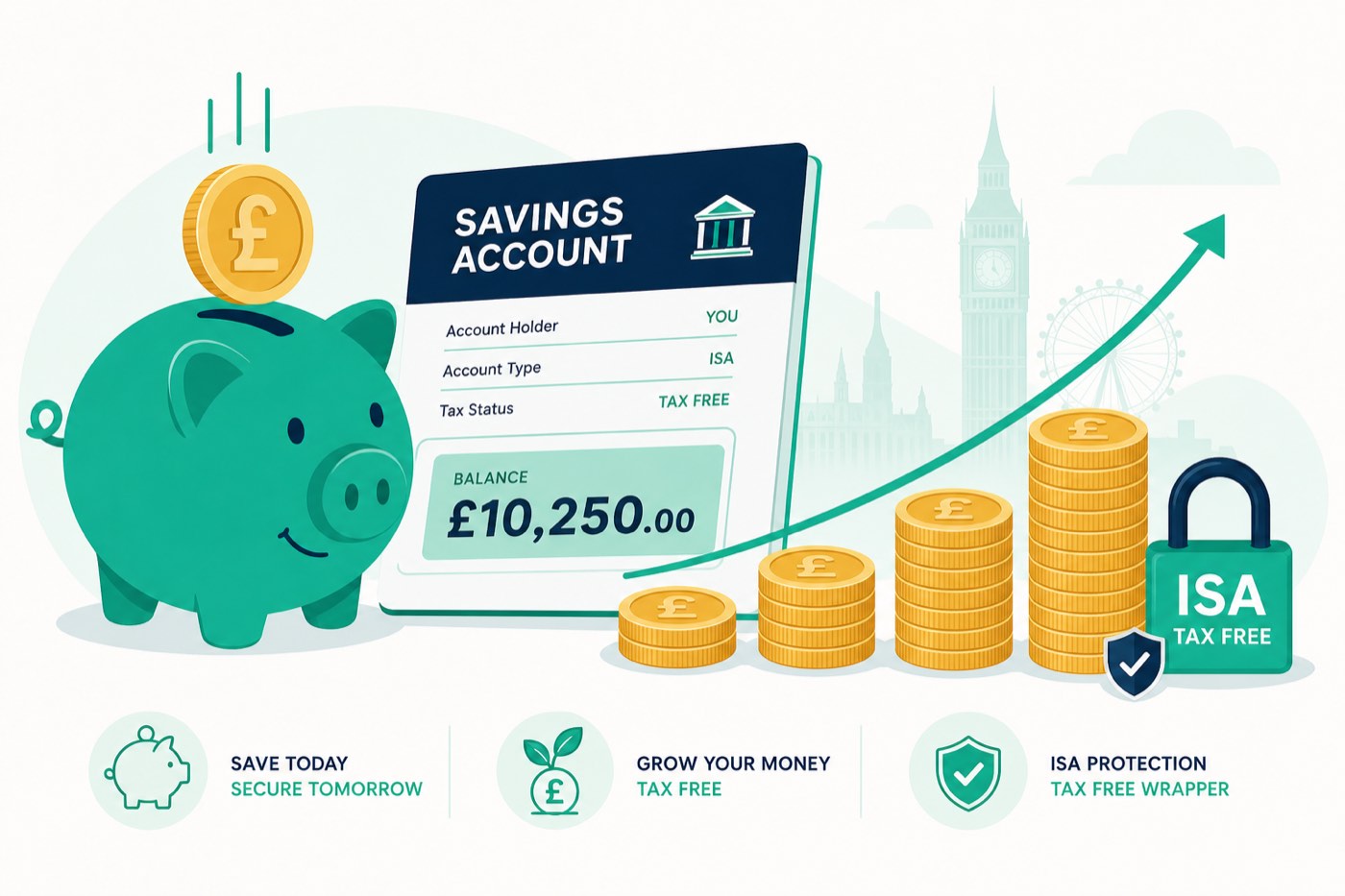
A Lifetime ISA (LISA) adds a 25% government bonus on contributions of up to £4,000 a year — £1,000 bonus if you pay in the maximum. Those subscriptions also count towards your overall £20,000 ISA allowance for 2026/27. The trade-off is strict: use it for a first home (within the rules) or wait until age 60, or face a penalty on early withdrawals.
Who this guide is for
Eligible UK adults considering a Lifetime ISA for a first-home purchase or later-life saving, and existing holders checking withdrawal consequences. The figures reflect 2026/27 rules.
Not for: Anyone needing money flexibly, buying above the qualifying property cap, or seeking a personalised comparison with workplace pensions.
Who can open one
You generally need to be 18–39 to open a LISA. You can keep paying in until 50 under current rules. Always confirm eligibility on GOV.UK before applying — age and residency tests apply.
Choose cash LISA or stocks and shares LISA. Cash suits shorter house timelines; stocks suit longer retirement horizons if you accept investment risk.
First home vs retirement
For a first home, the property must meet government price caps and process rules (including using a conveyancer who follows LISA withdrawal steps). For retirement, you can withdraw from 60 without the early-withdrawal penalty.
Terminal illness and some other circumstances have special provisions. Ordinary “I changed my mind” withdrawals usually mean losing bonus and paying a penalty that can leave you with less than you paid in.
How the bonus interacts with the £20,000 allowance
Pay in £4,000 to a LISA and you have £16,000 of adult ISA allowance left for cash or stocks and shares ISAs in 2026/27. The bonus itself does not use extra allowance.
Do not starve your emergency fund to chase the bonus. Penalty maths is brutal if you later need the cash for a non-qualifying reason.
LISA vs Help to Save and pensions
Help to Save offers a 50% bonus for eligible people on certain benefits or Working Tax Credit — different audience and caps. Workplace pensions attract tax relief and possible employer match; a LISA is not a substitute for joining a matched pension. Many people use pension + emergency cash first, then LISA for a house deposit if the rules fit.
Bonus maths and withdrawal traps
A Lifetime ISA (LISA) accepts up to £4,000 each tax year, within the overall £20,000 ISA allowance. The government adds 25%, so a full-year contribution can earn up to £1,000. You must generally make the first payment before age 40 and can contribute until 50. The attractive bonus must be considered alongside strict access rules.
| Action | Amount | Result |
|---|---|---|
| Contribute £4,000 | £4,000 paid in | Up to £1,000 bonus |
| Qualifying home withdrawal | Provider pays conveyancer | No withdrawal charge |
| Other £5,000 withdrawal | 25% charge | £3,750 returned |
The last row shows why “the charge only returns the bonus” is wrong. £4,000 plus a £1,000 bonus becomes £5,000; a 25% charge is £1,250, leaving £3,750—£250 less than the original contribution, before investment movement. Exceptions can apply, including terminal illness, and withdrawals from age 60 are normally charge-free.
For a first-home purchase, the property must meet current qualifying conditions, including a price of no more than £450,000, and the account must have been open for at least 12 months from the first payment. The purchase must be with a mortgage and the provider normally sends funds to the conveyancer. Both eligible partners can use separate LISAs on the same purchase, potentially combining bonuses.
- Check the property path: Is a first purchase likely, within the cap, and at least 12 months away?
- Choose cash or investments: cash is usually more appropriate for a near-term deposit; markets can fall just before completion.
- Keep flexible reserves elsewhere: do not put the emergency fund behind a withdrawal charge.
- Compare retirement routes: workplace pension employer contributions and tax relief may beat LISA benefits, while access and tax treatment differ.
- Confirm conveyancing timing: tell the solicitor early and check provider forms.
Second example: Erin and Max each contribute £250 monthly for 16 months, paying £4,000 apiece. Subject to timing and claims, each receives £1,000 in bonuses, creating £10,000 together before interest. They retain £6,000 in ordinary easy-access savings for fees, moving and emergencies, because those costs cannot safely depend on LISA eligibility.
Rules can change; verify them on GOV.UK and with the provider before acting. Investments can fall, and pension comparisons are personal. This is general information, not regulated investment, mortgage or tax advice.
Worked example: £4,000 in, £5,000 working
Jordan is 28 and pays £333 a month into a cash LISA (£3,996 a year). The government adds about £999 bonus, so roughly £4,995 sits in the account before interest. Over four years of maxing, contributions total ~£16,000 plus ~£4,000 bonuses (before interest). Jordan keeps a separate £3,000 emergency fund outside the LISA so a job blip does not force a penalised withdrawal.
Step-by-step checklist
- Confirm you are in the opening age window and meet GOV.UK tests
- Decide cash vs stocks based on time until you need the money
- Budget emergency cash outside the LISA first
- Track LISA subscriptions against the £4,000 and £20,000 caps
- If buying a home, use a conveyancer experienced with LISA withdrawals
- Avoid early withdrawals unless you accept the penalty maths
- Review whether employer pension match still comes first
Common mistakes
- Putting your only emergency savings into a LISA
- Missing the house-price or process rules and triggering a penalty
- Ignoring employer pension match to prioritise the LISA bonus
- Leaving the £4,000 subscription to the last minute each March
When to get regulated help
Read Lifetime ISA rules on GOV.UK before you open or withdraw. For first-home and saving comparisons, use MoneyHelper. Regulated financial advice is worth considering if your goals are mixed or complex.
Frequently asked questions
How much bonus can I get each year?
25% on contributions up to £4,000, so up to £1,000 bonus per tax year if you max it.
Does a LISA replace a Help to Buy ISA?
Help to Buy ISAs closed to new accounts years ago. LISAs are the ongoing first-home ISA route with different rules.
Can I hold a LISA and another ISA?
Yes — LISA subscriptions count towards the overall £20,000 adult ISA allowance.
What is the early withdrawal penalty?
It is designed to claw back bonus and more; you can lose money overall. Check the current GOV.UK percentage before withdrawing.