Know your priority debts
When money is short, some debts threaten your home, energy or liberty faster than others. Pay priorities first — then tackle the rest with a plan or free advice.
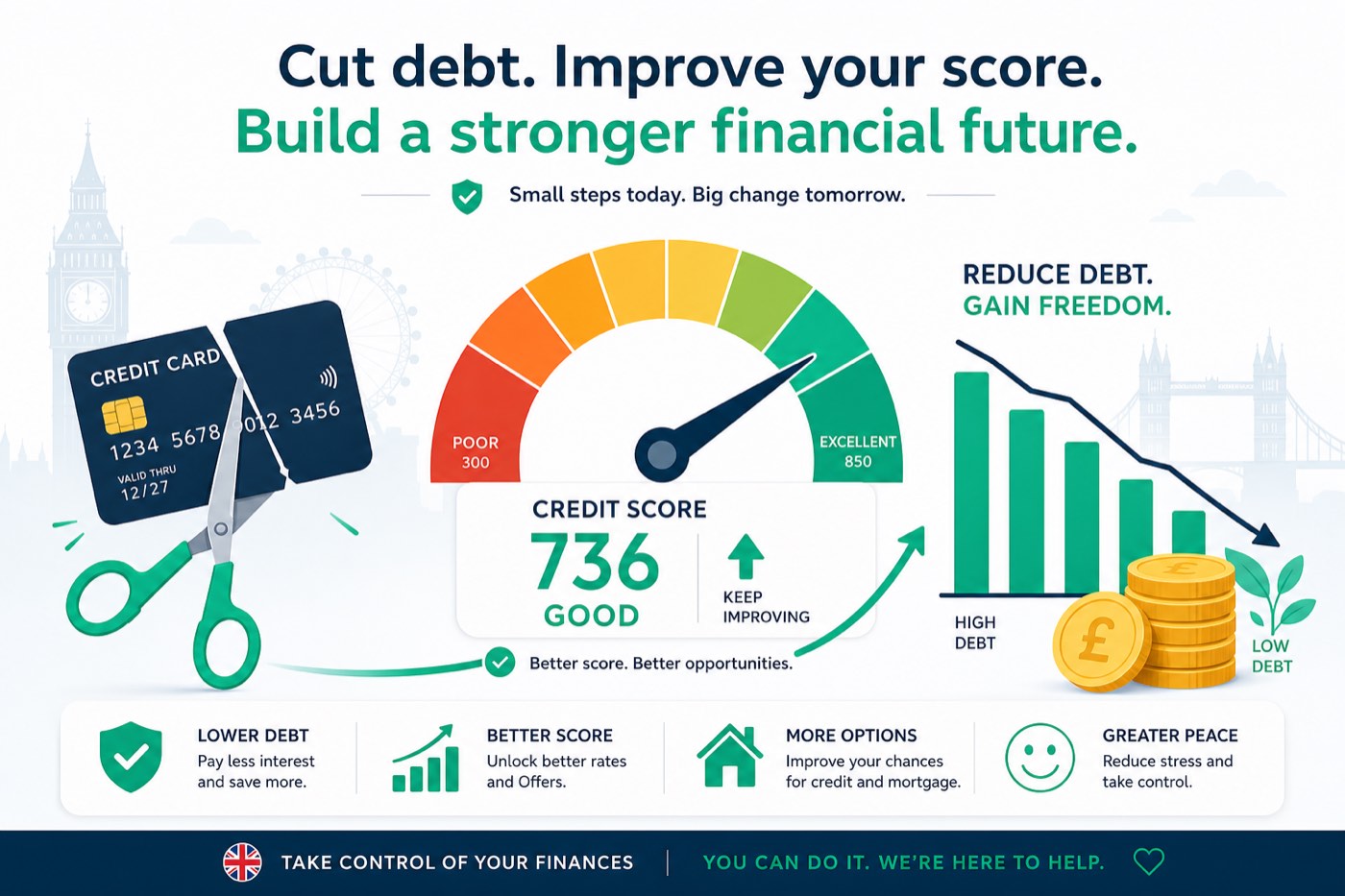
Not all debts are equal when cash runs out. Priority debts carry the most serious consequences if unpaid: losing your home, bailiffs for council tax, disconnection risk for energy, or enforcement of court fines and some tax debts. Credit cards, unsecured personal loans, overdrafts and store cards usually sit as non-priority — still important, but they should not jump the queue ahead of the roof over your head.
Who this guide is for
UK households deciding which arrears need action first when there is not enough money for every creditor. It focuses on consequences rather than interest rates.
Not for: People facing immediate eviction, bailiff action, disconnection or court deadlines without support; contact a free debt adviser urgently.
Typical UK priority debts
Common priorities include: rent or mortgage; council tax; gas and electricity; court fines; and certain HMRC tax debts. Child maintenance can also sit in this serious category. Exact enforcement routes differ by debt type and nation of the UK, but the theme is the same: consequences escalate quickly.
If you are behind, contact the creditor early, explain your situation, and ask about repayment arrangements. Ignoring letters rarely helps.
Open every envelope. Council tax and energy firms escalate on timetables that can feel sudden if you have been avoiding the post. If a bailiff letter arrives, get free advice the same day — do not negotiate solely on a doorstep under pressure. Keep a simple log of who you called, when, and what was agreed.
Housing associations, private landlords and mortgage lenders have different processes, but early communication is the common thread. For mortgages, missed payments are especially serious; contact the lender and a free adviser before arrears snowball.
Energy debts may lead to prepayment meter discussions or other enforcement paths; charities and MoneyHelper explain rights around vulnerability and disconnection. If someone in the household is elderly, disabled or seriously ill, say so — support pathways exist, but only if the supplier knows.
After priorities are stabilised, return to credit cards and loans with avalanche or snowball methods, or a managed plan from a free adviser. The order is the point of this guide: house and heat first, catalogue debt second.
MoneyHelper’s guidance on prioritising is essential reading: how to prioritise your debts.
Non-priority debts still need a plan
Credit cards and personal loans can lead to county court judgments and bailiffs eventually, but the immediate risk is usually lower than eviction or magistrates’ enforcement for council tax. Offer what you can afford after priorities and essentials — a token offer is better than silence if that is truly all you have, and free advisers can help you calculate a realistic budget.
Do not borrow more to pay non-priorities while priorities sit unpaid. Creditor letters that threaten your credit file are stressful, yet they still rank behind a roof and warmth. A free adviser can help you draft replies that are firm, affordable and documented.
Catalogue shop accounts, overdrafts and payday loans often feel urgent because of constant messages. Put them on the list, yes — but label them non-priority unless a court order has changed the picture. Labels reduce panic-driven payments that leave the council tax short.
Breathing Space and advice
If everything feels overwhelming, free debt advisers can discuss options including Breathing Space (debt respite) where eligible, debt management plans, and other solutions. Start with StepChange, National Debtline, Citizens Advice or MoneyHelper rather than paid lead-generators.
Consequences decide payment order
A priority debt is prioritised because non-payment can cause especially serious consequences, not because it has the highest APR or largest balance. Rent or mortgage arrears can threaten the home; council tax can lead to enforcement; gas and electricity arrears risk supply action; court fines and child-maintenance arrears have distinct powers. Credit cards and unsecured loans are usually non-priority, despite aggressive collection letters.
| Type | Potential consequence | First contact |
|---|---|---|
| Rent / mortgage arrears | Possession action | Landlord/lender and debt adviser |
| Council tax | Liability order and enforcement | Council revenues team |
| Energy arrears | Prepayment/enforcement risk | Supplier hardship team |
| Credit card | Default and civil recovery | After priority plan is protected |
Second example: A household has £420 after current food, housing and utilities. Arrears are £600 council tax, £450 electricity and £3,500 credit card at 29.9%. Paying £420 to the card saves interest but leaves two priority problems escalating. They contact the council and supplier, obtain breathing space while advice is prepared, and offer affordable amounts based on a full budget. The card receives only what remains after priority arrangements and contractual essentials.
- Protect current housing, food, essential energy and travel before old unsecured debt.
- Open every court, council and enforcement letter; record deadlines.
- Check entitlement to benefits, Council Tax Reduction, grants or hardship support.
- Contact each priority creditor with the same accurate income-and-expenditure budget.
- Do not promise payments that require skipping another essential.
- Get free regulated advice before choosing a formal or informal debt solution.
“Priority” varies with circumstance. Hire purchase on an essential adapted vehicle can be practically important; the same agreement on a second leisure car may not be. Tax and VAT arrears matter for self-employed people. In Scotland, debt remedies and enforcement terminology differ from England and Wales; Northern Ireland also has distinct processes.
A creditor demanding immediate payment does not automatically outrank another. Do not pay an enforcement agent from money needed for food without advice, but do not ignore a visit. Verify identity, understand entry rights for the debt type and contact the council or creditor using an independently sourced number.
Use MoneyHelper's debt advice locator for free providers. Breathing Space eligibility and protections have rules and regional differences. This is general information, not legal or debt advice.
Worked UK example: £200 left after essentials
The Okonkwos have £200 left after food and travel. They are £180 behind on council tax, £90 behind on the electricity bill, and have a credit-card minimum of £75 due plus a store-card minimum of £40.
They pay the council tax and energy arrears first (priorities), then contact both card lenders to explain a temporary reduced payment on the non-priorities. They also book a call with a free debt adviser the same week. Paying the cards in full while ignoring council tax would have been the costlier mistake in enforcement terms.
Step-by-step checklist
- List all debts and mark priority vs non-priority.
- Budget for essentials: housing, energy, food, travel to work.
- Contact priority creditors immediately if you are behind.
- Offer affordable payments on non-priorities after priorities are covered.
- Stop using credit to patch priority arrears.
- Keep copies of all letters and payment plans.
- Book free debt advice if the budget still does not close.
Common mistakes
- Paying whichever debt collector phones most often.
- Treating credit cards as equal to rent or council tax.
- Ignoring council tax reminders until bailiffs are involved.
- Borrowing at high cost to rotate non-priority balances while priorities slip.
When to get regulated help
Use MoneyHelper’s priority debts guide and contact StepChange, National Debtline or Citizens Advice. For council tax and benefits interactions, also check GOV.UK.
Frequently asked questions
Is a credit card ever a priority debt?
Usually no. It becomes more serious after court action, but rent, council tax and energy typically still come first. Ask a free adviser if you are unsure.
What about parking tickets?
Many penalties can escalate if ignored. Treat formal fines seriously and get advice if you cannot pay — do not assume they are “optional”.
Should I use my credit card to pay rent?
That often turns a priority into expensive unsecured debt and can deepen the hole. Speak to a free adviser about safer options.
Does priority order differ in Scotland?
Enforcement systems differ across the UK. Use nation-specific guidance from MoneyHelper or local advice services.