Overpay your mortgage to slash total interest
Because interest compounds over decades, modest overpayments early can shorten your term and save thousands — if your terms allow and costlier debts are cleared first.
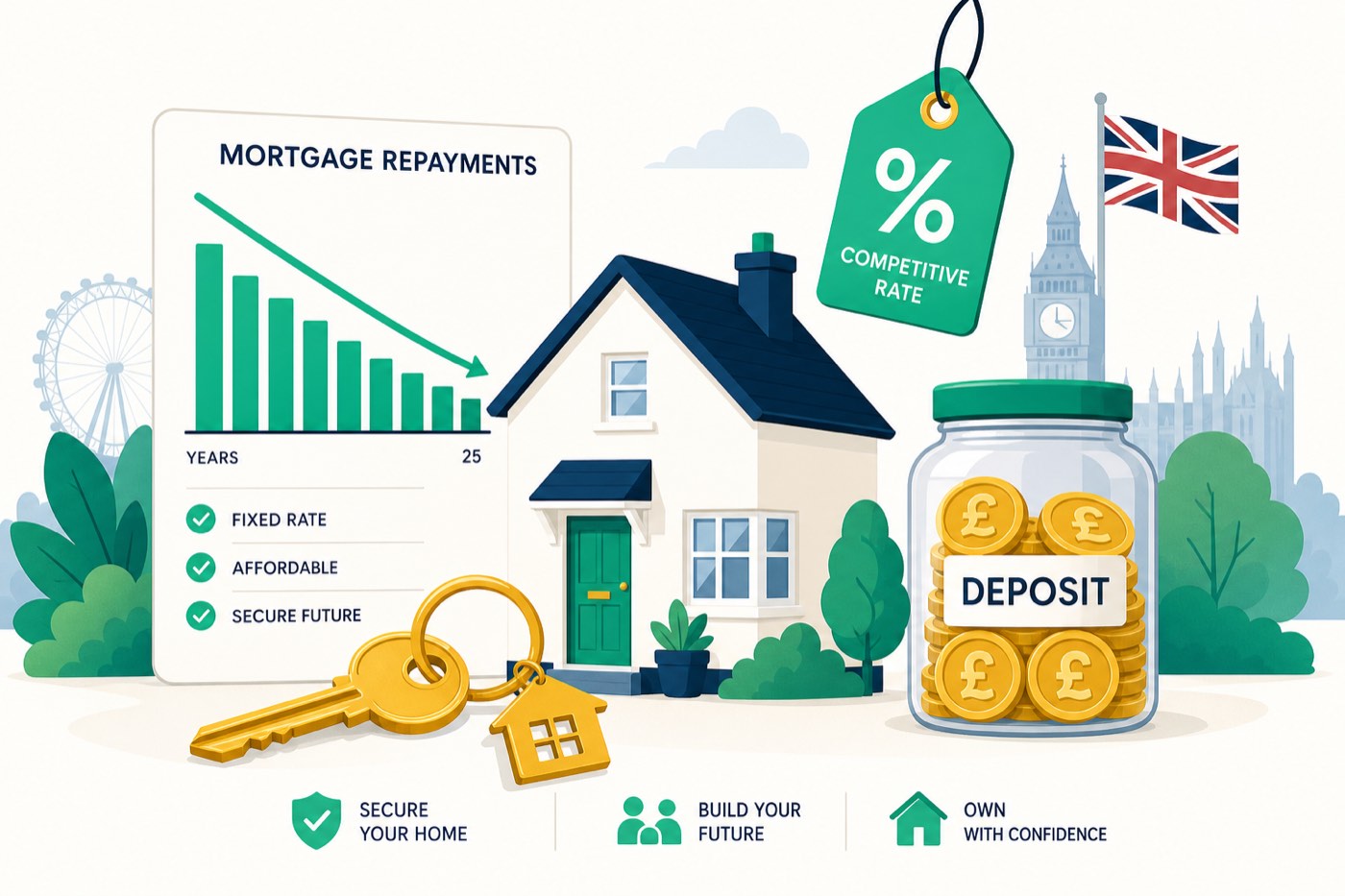
Every extra pound that permanently reduces your mortgage balance is a pound that no longer attracts interest for the remaining term. That is why overpaying — within your lender’s rules — is such a powerful habit. Most residential deals allow overpayments up to a limit each year (commonly around 10% of the balance) without an early repayment charge. Always read your offer: limits and calculation methods differ.
Who this guide is for
Homeowners with spare cash considering regular or lump-sum mortgage overpayments while retaining an emergency reserve. It covers interest savings, term effects and lender limits.
Not for: Borrowers with expensive unsecured debt, inadequate cash reserves or unclear early-repayment charges; resolve those constraints first.
How overpayments help
Interest is charged on the outstanding balance. Reduce the balance faster and you pay less interest over life, and you may finish years earlier if payments stay high relative to the shrinking loan. Some people overpay monthly; others push bonuses in as lump sums.
Ask the lender whether overpayments reduce the term or the monthly payment. Many borrowers prefer a shorter term to keep the “forced saving” effect.
A simple approach: overpay a fixed extra on payday via Direct Debit, then add lump sums when bonuses arrive if still inside the annual allowance. Keep a running total of overpayments in a notes app so you know how close you are to the limit before December scramble.
If rates fall and you remortgage, the value of overpaying versus investing surplus cash can shift. Re-run the household priority list: emergency fund, costly debt, then mortgage or long-term investing. Overpaying is powerful, not automatically top of every list forever.
When not to overpay (yet)
Clear higher-interest debts first — credit cards at 20%+ usually beat overpaying a mortgage at a lower rate. Keep an emergency fund so you do not end up putting essentials on cards after locking cash into the home.
If you might move or remortgage soon, check ERCs and whether large overpayments still make sense inside your allowance. Offset mortgages change the maths again: savings sitting against the balance already reduce interest, so “overpaying” versus holding an offset cushion needs a fresh comparison.
MoneyHelper discusses overpaying: should I overpay my mortgage?
Couples should agree whether overpayments are joint priority before redirecting money that the other person expected for holidays or home repairs. A written monthly surplus split — say 50% overpayment, 50% cash goals — keeps both the mortgage and morale on track.
When you receive an annual interest statement, glance at how much went to interest versus principal. That single figure motivates more consistent overpaying than any abstract tip.
Practical setup
Use the lender’s official overpayment route so payments are allocated correctly. Keep screenshots of confirmations. Recalculate after each remortgage — new deals reset rules.
If your deal is near its end, confirm whether a large lump-sum overpayment would interact awkwardly with ERC calculations or with a product transfer already in progress. Sometimes waiting a few weeks to complete the remortgage, then overpaying on the new deal, is cleaner than forcing money through in the final ERC month.
Interest-only mortgages are a different animal: overpaying still reduces the capital left to repay or refinance later, but you must still have a credible repayment vehicle for the rest. Do not treat occasional overpayments as a full plan on interest-only without checking the lender’s expectations.
Overpay without creating a cash shortage
An overpayment reduces mortgage capital earlier, so future interest is charged on a smaller balance. The benefit is broadly linked to the mortgage rate and is usually predictable, but money becomes tied up in the property unless the mortgage explicitly permits redraw or flexible borrowing. That loss of access matters as much as the interest calculation.
| Check | Why | Evidence |
|---|---|---|
| Annual allowance | Excess may trigger a charge | Offer and lender statement |
| Allowance year | May be calendar, deal or mortgage year | Lender confirmation |
| Payment treatment | Can reduce term or future payment | Written instruction |
| Interest basis | Daily calculation rewards earlier payment | Mortgage terms |
Example: a lender allows 10% of the balance each deal year without charge. On £164,000, that may permit £16,400—but definitions differ and the limit can be based on a particular anniversary balance. Do not send a large lump sum based on a generic “10% rule”. Ask for the precise remaining allowance and whether regular overpayments count.
Second example: Amira has £8,000 spare, a 4.6% mortgage and £2,000 on a 0% card expiring in three months. She keeps £4,500 as emergency cash, reserves £2,000 to clear the card before expiry and overpays £1,500. Putting all £8,000 into the mortgage would maximise immediate mortgage reduction but could force expensive borrowing after the promotion ends.
- Keep an emergency fund and known near-term costs in accessible cash.
- Compare mortgage rate with guaranteed after-tax savings return and higher-cost debts.
- Check early-repayment charges and annual allowance in writing.
- Tell the lender whether to reduce term or payment where a choice exists.
- Retain confirmation and inspect the next statement.
- Review at remortgage: a lower balance may move the loan into a better LTV tier.
Overpaying a repayment mortgage usually has a clearer effect than overpaying an interest-only loan, where a separate repayment strategy must still be assessed. Offset mortgages can provide a middle path: savings reduce interest while remaining accessible, subject to product terms and rates.
Pension contributions can attract employer contributions and tax relief that a mortgage overpayment does not; investments may produce more or less and can fall. The “best” use of money depends on liquidity, risk, tax and goals. If benefits are means-tested, capital and home treatment can also differ. This is general information, not a recommendation to overpay or invest.
Worked UK example: £150 extra a month
Hassan has a £180,000 repayment mortgage at a fixed rate with a 10% annual overpayment allowance. He pays £150 extra each month (£1,800 a year), well inside the allowance.
Over the long term that habit can cut years off the schedule and save a large interest total compared with minimum repayments only — exact savings depend on rate, term and whether overpayments shorten the term. Hassan still keeps three months’ essential costs in cash and has already cleared a 24% APR card before starting, so the overpayment is not starving higher-return (or higher-cost) priorities.
Once a year he asks the lender for an illustration of the new remaining term if he continues. Seeing “four years shorter” on paper keeps the Direct Debit untouched when freer spending temptations appear.
Step-by-step checklist
- Read your mortgage offer for overpayment limits and ERCs.
- Clear expensive consumer debts first if you have them.
- Hold an emergency cash buffer before aggressive overpaying.
- Decide whether you want a shorter term or lower monthly payments.
- Set up regular or lump-sum overpayments via the lender’s process.
- Track the balance and confirm allocations on statements.
- Re-check rules when you remortgage or change product.
Common mistakes
- Overpaying above the allowance and triggering charges.
- Overpaying the mortgage while carrying payday-loan-cost debt.
- Leaving no cash buffer for repairs or income shocks.
- Assuming every overpayment automatically shortens the term without confirming.
When to get regulated help
Compare approaches with MoneyHelper. For personalised advice, use an FCA-regulated adviser. Your home may be repossessed if you do not keep up repayments.
Frequently asked questions
How much can I overpay without a penalty?
Often up to about 10% of the outstanding balance per year, but check your specific terms — some deals differ.
Is overpaying better than investing?
It depends on rates, risk tolerance, tax wrappers and debts. Mortgage overpaying is a guaranteed interest saving; investing is not guaranteed. This is not personal advice.
Can I get overpayments back?
Usually not as easy cash — equity is in the property. Do not overpay money you may need imminently.
Do overpayments help when remortgaging?
A lower balance can improve LTV bands and product choice, which may improve rates at the next deal.
Should an overpayment reduce my term or monthly payment?
Reducing the term usually preserves the higher payment and can save more interest; reducing payments improves cash flow. Ask the lender how it applies your instruction.