Sinking funds for irregular UK bills
Stop annual costs from ambushing your current account. Break big, predictable expenses into calm monthly slices.
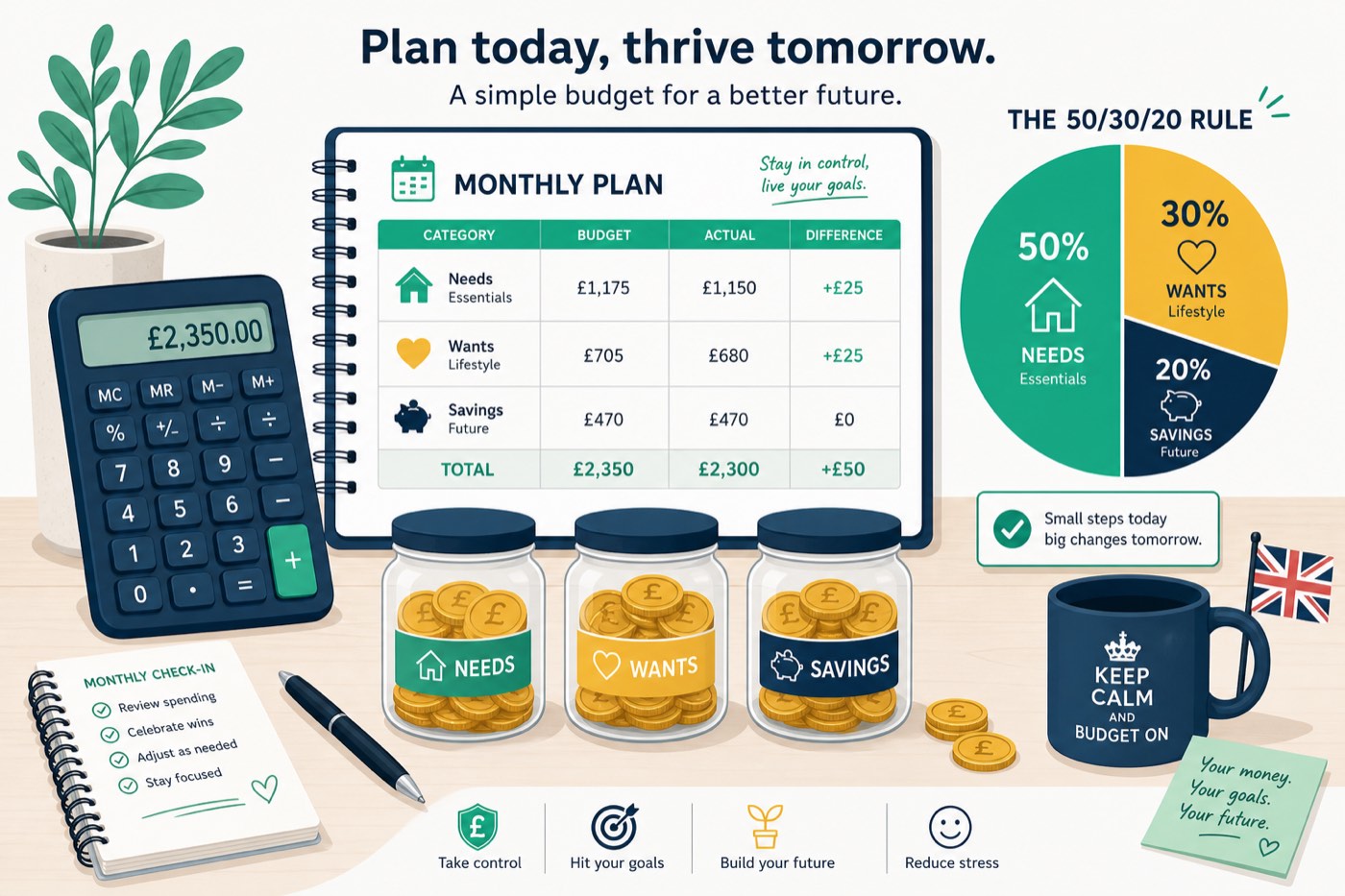
A sinking fund is money you set aside each month for a known future cost — car MOT, Christmas, insurance renewals, school uniforms, dentist work. Unlike an emergency fund (for true surprises), sinking funds are for bills you can see coming if you look at last year’s calendar.
Who this guide is for
Households whose budget works in ordinary months but is disrupted by insurance, Christmas, school costs, repairs or annual subscriptions. It is suitable for turning predictable surprises into monthly costs.
Not for: Unexpected loss of income or an immediate emergency; those require accessible emergency savings and, where needed, support.
Emergency fund vs sinking fund
Emergencies are redundancies, boiler breakdowns, urgent travel. Sinking funds are Christmas, summer holiday, TV licence clusters, wedding gifts you already know about. Mixing them means December “emergencies” empty the rainy-day pot.
Keep an emergency fund in easy-access cash. Keep sinking funds either as labelled pots in the same bank or as a simple spreadsheet allocation inside one saver — whatever you will actually maintain.
Build your list from the last 12 months
Scroll bank statements for annual and irregular hits: insurance, breakdown cover, boiler service, birthdays, holidays, eye tests, pet jabs, HMRC Self Assessment balancing payments if you are freelance. Write the typical cost and the month it hits.
Divide each cost by the months remaining until due. In April, a £240 MOT due next March is £20 a month. Start mid-year? Divide by months left, not twelve, or you will underfund.
Add a small buffer (5–10%) for price rises. Insurance and holidays rarely get cheaper year-on-year.
Where to hold the money
High-street and app banks often offer named “pots” or “spaces”. Otherwise one saver plus a notes list works. Interest is a bonus; the point is ring-fencing.
If totals are large and you will not need the cash this tax year, some people hold part in a cash ISA under the £20,000 allowance — still keep true emergency money accessible without fuss. Do not put next month’s MOT money into a Lifetime ISA or stocks and shares product.
Wire it into payday
Total all monthly sinking slices and add one standing order after you pay yourself first for emergencies. When the bill arrives, move money from the pot and pay it — no credit card float required.
Review every April when UK tax year and many insurance renewals shift. Delete funds you no longer need (finished finance) and add new ones (another child, first car).
Build a calendar of future bills
A sinking fund is for a cost you expect, even when the exact date or amount is uncertain. An emergency fund is for events you cannot sensibly schedule. A December gift budget, annual service and boiler replacement are sinking-fund candidates; sudden redundancy belongs in emergency savings. Keeping the distinction prevents Christmas spending from consuming the safety net every year.
List costs from the previous 12 months and look ahead to the next due date. The calculation is: target minus existing balance, divided by paydays remaining. Do not automatically divide by 12 when a bill is five months away. Include a margin where prices vary, but avoid padding every category so heavily that today's budget becomes impossible.
| Cost | Due / target | Already saved | Monthly amount |
|---|---|---|---|
| Car insurance | £720 in 8 months | £80 | £80 |
| MOT and service | £420 in 6 months | £60 | £60 |
| December | £600 in 10 months | £100 | £50 |
| Appliance replacement | £480 in 24 months | £0 | £20 |
A second household has £150 a month available but its calculated funds total £210. Rank consequences. They fully fund £65 for essential car insurance and £45 for school costs, put £25 towards appliance replacement, and cap the holiday fund at £15. The remaining £60 goes to an emergency buffer because a boiler failure is more damaging than a smaller holiday. A sinking-fund system should reflect priorities, not give every wish equal status.
- Separate legally or practically essential dates from flexible goals.
- Keep money needed within five years in cash unless you can tolerate the value falling at the due date.
- Name pots clearly and record the target, deadline and monthly transfer.
- When spending, pay from the pot and retain the receipt; do not treat the purchase as a new monthly overspend.
- After the bill, update next year's target immediately using the actual price.
Multiple pots at one bank are convenient, but check whether each earns competitive interest and whether the overall bank group shares one Financial Services Compensation Scheme limit. A cash ISA can shelter interest within the £20,000 2026/27 ISA allowance, although most modest sinking funds may generate little taxable interest and easy access matters more.
If a fund repeatedly gets raided for ordinary groceries, the base budget is too tight or the target is unrealistic. Reduce lower-priority targets openly instead of moving money invisibly. This is general information, not personalised advice.
Worked example: the Hughes family’s £195/month
The Hughes household maps yearly costs: Christmas £600, holiday £1,200, car (£400 MOT/service + £600 insurance), birthdays £300, dentist £240. Annual total £3,340 → about £278 a month if started in April. Mid-year starters with six months left would need roughly £557 monthly for the same list — so they trim the holiday fund and keep Christmas + car fully funded. They open five named pots and one payday standing order of £195 for the priorities they can afford now.
Step-by-step checklist
- List irregular bills from the last 12 months of statements
- Note month due and typical cost for each item
- Divide cost by months remaining (not always by 12)
- Separate sinking funds from your emergency fund
- Automate the total monthly slice on payday
- Spend from the pot when the bill arrives
- Revisit the list each April and after major life changes
Common mistakes
- Raiding Christmas money for a weekend away and hoping to “catch up”
- Calling every want a sinking fund until nothing is left for true saving
- Ignoring mid-year starts and dividing by twelve anyway
- Holding near-term bill money in volatile investments
When to get regulated help
For planning irregular costs alongside benefits and debt, see MoneyHelper. Tax payment deadlines and allowances are on GOV.UK.
Frequently asked questions
How many sinking funds do I need?
Start with three to five big ones (Christmas, car, holiday, insurance). Add more only if you will fund them.
Can sinking funds live in my emergency account?
Yes if you track balances carefully. Mentally separating them matters more than separate sort codes.
What if I underfunded a bill?
Pay what you can from the pot, bridge the gap from everyday spending that month, then raise the monthly slice going forward.
Are sinking funds the same as envelopes?
Same idea — digital pots replace physical envelopes. The discipline is identical.